

Should You Replace or Clean Your Carpet? A Chicago Homeowner’s Guide
Why Carpet Age Alone Doesn't Tell the Whole Story
Carpet age tells you very little on its own. We have cleaned ten year old carpet that came back looking almost new, and we have seen three year old carpet that needed to go. What matters most is how the carpet was cared for, the padding underneath, and whether the backing has broken down.
A lot of folks call us and start with, our carpet is twelve years old, is it too late? We get it. But age is just one piece of the puzzle. We have walked into Lincoln Park condos with eight year old carpet that cleaned up beautifully. And we have pulled up two year old carpet in a Logan Square rental that was ruined from a slow leak nobody caught in time.
What matters is condition, not the number of years since install. Foot traffic patterns, pet habits, and how often the carpet got cleaned all play a bigger role than the calendar.
- The backing feels stiff, crunchy, or brittle when you press on it
- Padding underneath has flattened out and no longer bounces back
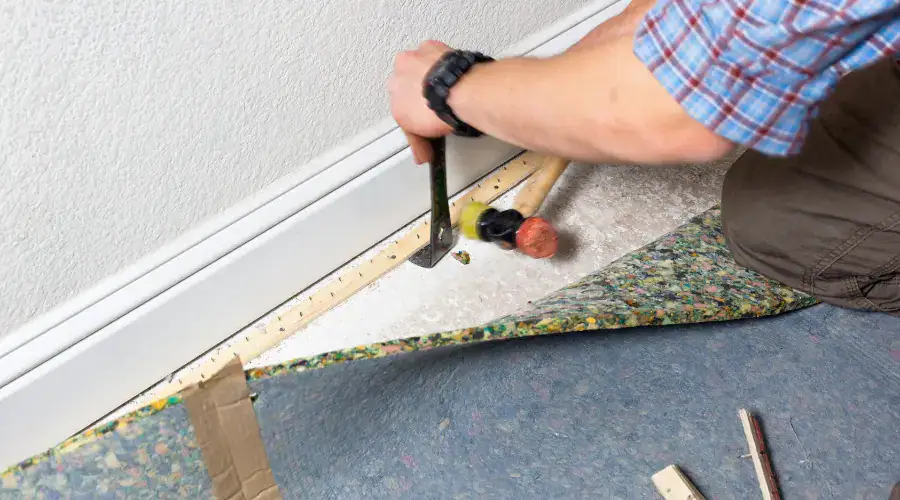
- Seams are separating or the carpet is pulling away from the tack strips
- There's a smell that comes back after every cleaning, usually from pet urine soaked into the pad
- Fibers look worn thin in high traffic areas, not just dirty
If you’re only dealing with dirt, stains, or dullness, cleaning will almost always bring it back. So don’t assume old means done. We have used hot water extraction on carpet that looked hopeless and watched it come back to life. The color returned. The texture softened up again. The customer was shocked.
Chicago’s weather adds a wrinkle here too. Our winters bring in salt, slush, and grit that grinds into carpet fibers month after month. That kind of wear can age a carpet faster than the years alone would suggest, especially near entryways and mudrooms in older two-flats and bungalows around the city.
So how do you know which situation you’re in? Press on the carpet in a few spots. Does it feel spongy or does it feel dead? Smell it after it’s been closed up for a day. Look at the backing if you can peel back a corner near a closet.
One quick gut check: if the carpet was professionally cleaned within the last year and still smells bad or looks flat, that’s a sign the damage may run deeper than the surface.
The Three Layers That Determine Whether Carpet Can Be Saved
Most folks think carpet is just one thing. It’s not. Carpet is really three layers stacked on top of each other, and each one fails in its own way. When we walk into a home in Chicago, we’re not just looking at the surface. We’re checking all three layers before we tell you to clean it or tear it out.
- The face fiber. This is what you walk on and see every day. Stains, wear paths, and fading happen here first.
- The backing. This holds the fibers in place. Water and pet urine soak through here and can rot it or cause delamination.
- The pad underneath. This cushions your step and soaks up spills like a sponge. Once it's wet or moldy, it rarely bounces back.
The face fiber is the easy part. Stains, dirt, and matted spots almost always respond to a good carpet steam cleaning. We’ve pulled years of grime and old coffee stains out of fiber that looked hopeless. So if the damage stops at this layer, you’re probably fine.
The backing is where things get tricky. This is the layer that holds everything together, and it’s usually made from a woven material bonded with latex. Water damage restoration jobs teach us this fast. When water sits too long, the latex breaks down. The carpet starts to separate from its backing, a problem called delamination. You’ll notice it as ripples or bubbles that won’t flatten out no matter how much you stretch or steam.
The pad is the deepest layer, and it’s the one people forget about.
We see this mistake all the time. A homeowner cleans up a spill on the surface and thinks the job is done. But the pad underneath soaked up the liquid like a towel, and it stays wet for days. In older Chicago two-flats and bungalows with less airflow, that dampness can turn into mold within 48 to 72 hours, according to the EPA. Once mold sets into a pad, cleaning the carpet on top won’t fix it. The pad has to come out.
Here’s a real example. We cleaned a living room carpet in a Logan Square bungalow last winter. The surface looked great after our carpet steam cleaning. But the client mentioned a musty smell near the front window. We pulled back a corner and found the pad soaked from an old window leak, sitting there for who knows how long. The carpet itself was fine. The pad was a total loss. That’s the kind of thing you can’t see just by looking at the top layer.
So when you’re trying to figure out clean versus replace, ask which layer got hit. Surface stains and everyday dirt, we can usually handle that. Backing damage or a soaked, moldy pad is a different story. That’s often when replacement makes more sense than cleaning.
Should You Replace or Clean? A Scenario-Based Guide
We get calls almost every week where the customer already knows the answer, they just want us to confirm it. So let’s walk through a few real situations we run into around Chicago. See which one sounds like your place.
Scenario one: a two-flat in a walk-up with wall-to-wall carpet from the last renovation. The carpet looks flat and a little gray but there’s no rip, no smell, no soft spots. This one’s easy. A carpet steam cleaning brings back most of the color and texture. We’ve done this job hundreds of times and it almost always surprises the homeowner how much better it looks.
Scenario two: a rental unit near the lake that flooded during a heavy spring storm. Water sat under the carpet for two days before anyone noticed. That’s a replace situation, most of the time. Padding holds water like a sponge and it doesn’t dry evenly. We can run water damage restoration to pull moisture and check how bad it is, but if the smell doesn’t lift after drying, the pad and maybe the carpet need to come out.
Scenario three: an older bungalow with a dog that’s had a few accidents over the years. The carpet looks fine on top but there’s a musty smell near one corner of the living room. This is the tricky one. Sometimes pet urine odor removal solves it completely. Other times the urine has soaked into the pad and subfloor, and no amount of cleaning gets rid of that smell for good.
Here’s a rough way to sort your own situation:
- Carpet looks dull or dirty but structure feels solid: clean it
- Carpet has flooded and stayed wet more than 24 to 48 hours: lean toward replace
- Smell keeps coming back after cleaning attempts: likely a pad or subfloor issue, get it checked
- Carpet is over 10 to 15 years old with matting that doesn't bounce back: cleaning helps but won't fully fix it
- No visible damage, just needs freshening before a move or event: clean it
We had a customer in Logan Square last year convinced her carpet was done for. Turned out it was just years of buildup from not vacuuming under furniture. One cleaning and she couldn’t believe it was the same room. On the flip side, we’ve walked into basements after a sewer backup where cleaning wasn’t even on the table, that carpet had to go. If replacement wins, start by choosing quality carpet for your home.
So how do you know which scenario fits your home? , the best way is to get eyes on it. We come out, look at the carpet, press a hand into the padding, and give you a straight answer. No guessing games.
Frequently Asked Questions
How do I know if my carpet just needs cleaning or if it needs to be replaced?
Check which layer of the carpet is damaged, not just the surface. If the problem is dirt, stains, or dullness on top, a good cleaning almost always fixes it. If the backing feels stiff or the pad underneath stays wet or smells musty, cleaning won’t solve it. Press on a few spots and smell the carpet after it’s been closed up for a day. If you’re unsure, our guide on how to know if your carpet needs to be replaced or cleaned walks through the exact signs we check for in Chicago homes.
Can old carpet still be cleaned and saved, or is it always time to replace it?
Age alone doesn’t decide this. We’ve cleaned twelve-year-old carpet that looked almost new, and pulled out two-year-old carpet ruined by a hidden leak. What matters is how the carpet was cared for and whether the padding or backing broke down. Foot traffic, pets, and past cleanings play a bigger role than the calendar. Don’t assume old carpet is done for until you check the condition first.
What's the biggest mistake homeowners make when deciding between cleaning and replacing carpet?
The biggest mistake is only checking the surface and missing what’s happening underneath. A spill can look dry on top while the pad stays soaked for days. In older Chicago two-flats with less airflow, that dampness can turn into mold within 48 to 72 hours, according to the EPA. Cleaning the top layer won’t fix a moldy pad. Always check the backing and padding before deciding.
Does Chicago's weather make carpet wear out faster?
Yes, Chicago winters speed up carpet wear more than most homeowners expect. Salt, slush, and grit get tracked in and grind into carpet fibers near entryways and mudrooms all winter long. This is especially common in older two-flats and bungalows around the city. That kind of wear can make carpet look older than it is, so it’s worth checking condition rather than just counting years.
How can I tell if water damage under my carpet is serious enough to need replacement?
If water sat under the carpet for more than a day or two, replacement is often needed, especially for the padding. Padding soaks up water like a sponge and rarely dries evenly on its own. A musty smell that returns after cleaning is usually a sign the pad, not the carpet, took the real damage. If the smell doesn’t lift after drying, it’s time to have someone check what’s underneath before you decide.
Ready to Get Started?
Get a Free Estimate. Call (773) 570-4224 today.