

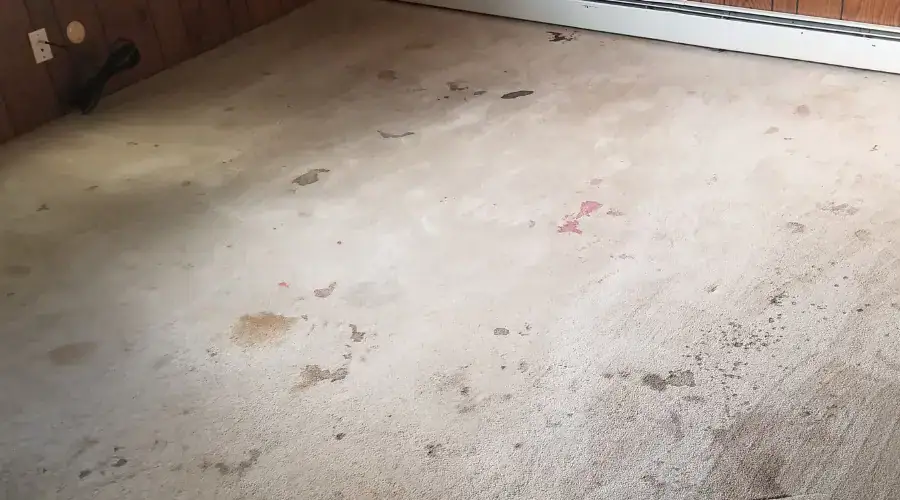
Is a 20-Year-Old Carpet Unhealthy? What Chicago Homeowners Should Know
What Makes Old Carpet Unhealthy (It's Not the Birthday)
A carpet’s age isn’t what makes it unhealthy. It’s what has soaked into the fibers and padding over 20 years of foot traffic, Chicago humidity, and skipped cleanings. Dust, pet dander, mold spores, and old moisture build up deep in the backing where a vacuum can’t reach. That buildup is what causes the sneezing, musty smell, and stuffy air people notice in older homes.
We get this question a lot on jobs in Chicago bungalows and older two-flats. Folks think the number 20 is the problem. It’s not. A well kept 20-year-old carpet can be cleaner than a five-year-old one that’s never been deep cleaned. Age just means more time for stuff to pile up underneath.
Here’s what’s really going on inside that old carpet. Every year of walking, pets, and Chicago’s wet springs adds another layer to the padding underneath. The top fibers might look fine. But the pad below is where the real trouble sits.
- Dust and dead skin build up in the fibers and feed dust mites, a common trigger for allergies and asthma
- Pet dander and old urine soak into the padding and keep releasing odor and allergens for years
- Moisture from humid Chicago summers or basement leaks gets trapped and can grow mold under the surface
- Carpet backing breaks down over time and can release fine fibers and glue particles into the air
- Years of foot traffic push dirt deep into the pad where regular vacuuming never touches
We pulled up carpet in a Logan Square rental last year that was maybe 22 years old. The top looked worn but okay. Underneath, the pad was gray and damp. That’s the part nobody sees. And that’s the part making people sneeze at 2am.
So age is really just a marker for opportunity. More years usually means more chances for spills, pet accidents, and missed deep cleans to stack up. A 20-year-old carpet that got steam cleaned every year or two can be in decent shape. One that never got a real deep clean is a different story, even if it’s only 10 years old.
The American Lung Association notes that carpet can trap dust, pollen, and other particles that trigger breathing problems if it’s not cleaned on a regular schedule.
This matters more in Chicago than people think. Older homes here often have original hardwood covered by wall-to-wall carpet installed decades ago. Basements flood. Windows get shut tight in winter, and the air just sits. That combination speeds up everything on this list.
Warning Signs Your Carpet May Be Affecting Your Health
Your carpet doesn’t come with a warning label. But your body will usually tell you something’s off before your eyes ever notice it. We’ve walked into two-flats in Chicago where the owner swore the carpet looked fine, then found dust and old pet dander packed deep in the padding. Old carpet holds onto stuff for years. And a lot of that stuff can mess with your breathing, your skin, and your sleep.
So how do you know your carpet is part of the problem? Start by paying attention to patterns. Do symptoms get worse at home and ease up when you’re away? That’s a big clue.
- Morning sneezing or a stuffy nose that clears up once you leave the house
- A musty or sour smell that comes back no matter how often you vacuum
- Skin irritation on bare feet or after sitting on the floor
- Kids or pets scratching more, or breaking out in rashes near carpeted rooms
- Headaches or a heavy feeling that lifts once you're outside for a while
We had a customer in an older Chicago bungalow last year whose son had a cough that just wouldn’t quit. The carpet in his room was original to the house, older than he was. We pulled it back during a job and the padding underneath was dark and damp from years of humidity soaking through the floorboards. That’s a classic Chicago problem. Old buildings, cold winters, humid summers, carpet that never fully dries out between seasons.
Not every symptom means your carpet is the villain, though. Allergies have a lot of causes. But if your home has carpet older than 15 or 20 years and you’re dealing with unexplained congestion, itchy eyes, or a smell that won’t go away, the carpet deserves a hard look. Age is only part of it, since what builds up in neglected carpet matters more.
One more thing worth watching for: visible wear that doesn’t match the discomfort you’re feeling. A carpet can look clean on the surface, look fine, feel fine underfoot, and still be packed with years of dust mites, mold spores, and old spills that never fully dried.
That’s the part most people miss until someone points it out to them.
Cleaning vs. Replacing: A Scenario-Based Guide
Let’s walk through some real situations we run into around Chicago. Not every old carpet is the same. A lot depends on what’s under it, how it was cared for, and what your house has been through.
Scenario one: a bungalow in an older neighborhood, original carpet in the basement rec room. If that basement flooded even once, we’d tell you to replace it. Water gets into the pad and the subfloor. Mold can grow where you can’t see it. Cleaning won’t fix that.
Scenario two: a condo with wall-to-wall carpet in the bedrooms, never flooded, vacuumed regularly, but never deep cleaned. This one’s usually a good candidate for carpet steam cleaning. The fibers are dirty, not damaged. A hot water extraction job can pull out years of dust and dander and make the room breathe easier.
Scenario three: a rental unit with heavy pet stains that soaked in over several tenants. This is tougher. If the smell is only on the surface, pet urine odor removal can handle it. But if urine sat in the pad for years, the smell often comes back after cleaning because it’s trapped below the carpet, not in it.
- Carpet feels stiff, crunchy, or brittle in spots, even after cleaning, likely means the backing is breaking down
- Odor returns within a few days of a professional clean, points to pad or subfloor contamination
- Carpet was installed before a known flood or leak in the home, treat it as compromised
- Fibers are matted flat and won't back up, cleaning can improve it but won't restore it
- No history of flooding, pets, or major spills, cleaning is almost always the right first move
We had a customer in an older two-flat last year who was sure her carpet needed to go. Twenty years old, looked dull, smelled a little musty. We did a deep clean with hot water extraction and it came back looking almost new. No flood history, just years of regular life. That’s the kind of case where cleaning saves a homeowner real money and hassle.
Compare that to a house near the lake where a sump pump failed one winter. The basement carpet looked fine on top. But the pad underneath had been wet for weeks before anyone noticed. Cleaning that carpet would’ve been a waste of time. That’s a carpet removal job, plain and simple. Grade matters more than most buyers expect, which is why better carpet lasts longer.
So how do you know which situation you’re in? Think about your carpet’s history first, not just how it looks today.
- Ask if the carpet has ever been wet from flooding, a leak, or a spill that soaked through
- Check if odors have come back after previous cleanings
- Press on the carpet in a few spots to feel for softness or give in the subfloor
- Look at the backing along an edge or seam for staining or crumbling
- If none of these apply, treat the carpet as cleanable and start there
Most of the time, the answer isn’t as extreme as full replacement.
We’ve cleaned plenty of carpets pushing twenty years old that had a lot of life left in them. And we’ve told other customers straight up that cleaning wouldn’t fix their problem, because we’d rather be honest than take a job that won’t hold up.
Frequently Asked Questions
Can I test my old carpet myself, or do I need a professional to check it?
You can do a basic sniff and touch test yourself, but a professional check goes deeper. Press your palm into the carpet in a few spots and smell for mustiness. Check corners near exterior walls for damp spots. If you notice odor, stiffness, or discoloration, that’s a sign the padding underneath needs a closer look. A trained eye can spot mold or moisture damage that’s easy to miss on your own, especially in Chicago basements where leaks aren’t always obvious.
Does carpet age alone mean it's unhealthy?
No, age alone doesn’t make carpet unhealthy. A well maintained 20-year-old carpet can be cleaner than a five-year-old one that’s never had a deep clean. What matters is what has built up in the fibers and padding over time. This is the most common misconception we hear on jobs across Chicago. People focus on the birthday instead of the buildup, and that’s the wrong thing to worry about.
Why does Chicago weather make old carpet worse than in drier climates?
Chicago’s humid summers and sealed-up winters trap moisture inside carpet padding longer than in drier climates. Wet springs push dampness into basements, and closed windows in cold months keep that moisture from drying out. This cycle repeats every year in older bungalows and two-flats, which speeds up mold growth and odor buildup under the surface. Homes with original carpet from decades ago often show this pattern the most.
How often should carpet really be deep cleaned to prevent this buildup?
Most homes need a deep clean at least once a year, and more often if you have pets or young kids. Regular vacuuming only reaches the surface fibers. It never touches the dust, dander, and moisture packed into the padding below. A hot water extraction job pulls that buildup out from deep in the carpet. If it has been longer than a year since your last deep clean, our professional carpet cleaning in Chicago page explains what that process involves and when to schedule one.
If my carpet still looks fine, does that mean it's healthy?
No, looking fine on the surface doesn’t mean the carpet is healthy underneath. Carpet can feel clean underfoot while the padding below holds years of dust mites, mold spores, and old spills that never fully dried. We’ve pulled up carpet in Chicago homes that looked worn but okay on top, only to find damp, gray padding underneath. Trust symptoms and smell over appearance when deciding if a carpet needs attention.
Ready to Get Started?
Get a Free Estimate. Call (773) 570-4224 today.