

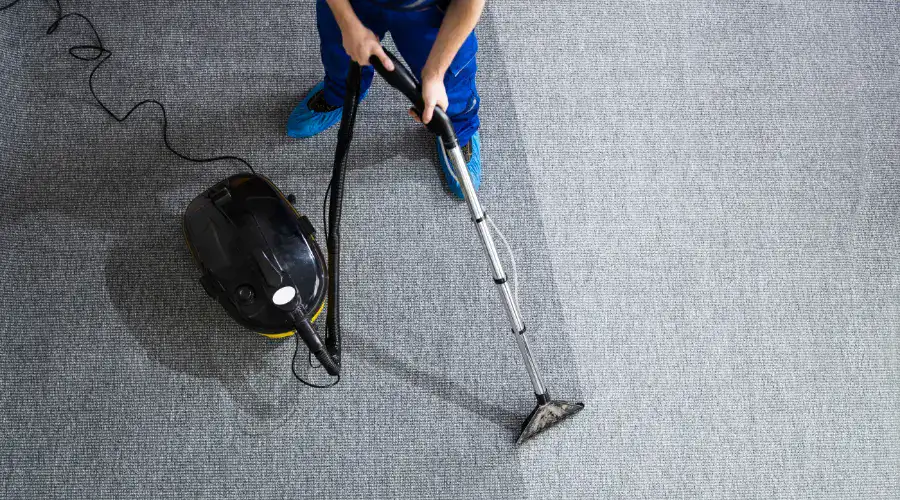
How to Tell If Your Carpet Needs Professional Cleaning
Why Visible Stains Are the Last Sign, Not the First
A stain you can see is the last step in a longer process, not the first. Dirt, oil, and grit build up under carpet fibers for weeks before a spot ever shows on top. By the time you spot a stain, the carpet underneath has already been collecting dirt for a while.
Most folks think a carpet is fine as long as it looks fine. We hear this all the time on calls in Lincoln Square and Portage Park. A homeowner tells us their carpet looks okay, so they don’t think they need help. But looking clean and being clean are two different things.
Carpet fibers hold onto dirt long before any stain shows up. Foot traffic grinds grit down into the base of the fibers. Cooking oil floats through the air and settles on carpet near kitchens. Body oils from sitting on the floor build up around couches and TV areas. None of that shows as a stain right away. It just sits there, dulling the fibers from the inside.
- Grit and dust settle into the base of the carpet fibers from normal walking
- Oils from cooking, skin, and pet paws stick to that grit over weeks
- The buildup dulls the color and flattens the texture, but it's still not visible as a stain
- More buildup happens on top, and the carpet starts feeling stiff or rough underfoot
- Eventually a spill, spot, or dark traffic path becomes visible because the fiber can't hold any more
So the traffic lane in your hallway that looks a shade darker than the rest of the room? That’s not dirt sitting on top. That’s weeks or months of buildup finally showing through. We’ve pulled up carpet in Chicago two-flats where the padding underneath was gray with grit, and the homeowner had no idea because the carpet on top still looked decent.
This matters most in Chicago because of our weather. Salt and slush track in all winter. Summer brings dust and pollen through open windows. Both seasons load your carpet with stuff you can’t see. And once that buildup sets in deep, a home vacuum just can’t reach it.
One thing we tell every customer: don’t wait for the stain to decide it’s time to clean.
If your carpet feels stiff, smells a little off, or just looks a bit flat compared to when it was new, that’s your real warning sign. The visible stain is just the moment the carpet finally gave up hiding it.
Signs Your Carpet Needs Professional Cleaning Now
Most folks wait too long. We get calls where someone says the carpet has looked rough for months, they just weren’t sure it was bad enough to call us. Here’s the truth, if you’re asking the question, it probably needs attention.
So what do we look for on a job in Chicago? A few things stand out fast, and they’re easy for you to check yourself before you pick up the phone.
- Traffic lanes look darker or flat, especially near doorways, hallways, and stairs where feet hit the same spot every day
- You can smell something musty or sour even after vacuuming, that's usually deep dirt or moisture trapped in the padding
- Stains keep coming back after you scrub them, which means the spill soaked past the fiber into the backing
- Allergies act up more indoors than outdoors, dust and pet dander build up deep where a vacuum can't reach
- The carpet feels stiff, crunchy, or matted down instead of soft when you walk on it barefoot
We had a job in a Lincoln Square two-flat last winter. The owner thought her carpet just needed a good vacuuming before her in-laws visited. Once we pulled back the edge near the radiator, there was old pet staining soaked clear through to the pad. Vacuuming was never going to fix that, no way.
Chicago winters make this worse. Salt, slush, and wet boots get tracked in for months straight.
And that grit works its way down into the fibers fast, cutting them from the inside like tiny blades. By spring, carpets that looked fine in October can look tired and gray. If your place backs up to a courtyard or gets a lot of foot traffic from kids or pets, you’ll notice wear even quicker than a single-person apartment would.
Here’s a simple gut check we tell neighbors: press your palm flat on the carpet in a busy spot, then in a corner nobody walks on. If the busy spot feels gritty, oily, or cool and damp compared to the corner, that’s buildup a home vacuum can’t pull out.
Field Note
On most jobs, the smell disappears within a day of hot water extraction, but deep pet staining sometimes needs a second pass. We always tell customers upfront if that’s likely before we start.
Why Carpet Odor Often Means the Problem Is Below the Surface
A smell that keeps coming back is one of the clearest signs your carpet needs help. We get calls almost every week from folks who say they’ve vacuumed twice and sprayed the whole room, and the smell still shows up on a humid day. That’s because odor rarely lives on top of the fibers. It sits down in the backing, the padding underneath, or even the subfloor.
Chicago basements make this worse. A lot of older two-flats and bungalows around here have basement carpet that sits close to concrete. Concrete pulls in moisture, especially after our wet springs and heavy snow melt. That moisture wicks up into the padding and just sits there, feeding bacteria and mold spores. You can shampoo the surface all you want, but if the padding underneath is damp, the smell comes right back within a day or two.
Pet urine is another big one. Dogs and cats tend to hit the same spot over and over, and that spot soaks all the way through to the pad. Once urine dries, the crystals left behind reactivate every time humidity rises. That’s why a room can smell fine in winter but turn sour in July. Store-bought carpet cleaners might mask it for a few hours, but they don’t reach deep enough to break down what’s causing the smell.
- Musty or damp smell that gets stronger near exterior walls or basement corners
- Odor that returns within a day or two after cleaning the surface yourself
- A sour or ammonia smell in spots where a pet has had accidents before
- Smell that gets worse in humid weather or right after it rains
- A general stale or heavy smell in a room even after airing it out
If you’re noticing any of these, that’s your carpet telling you something we can’t always see. Hot water extraction gets water and cleaning solution down into the pad, and pulls it back out along with whatever’s causing the smell. That’s a different process than running a rental machine over the top. We’ve pulled up padding before that was still wet from a leak nobody knew about, months old.
One thing we tell every customer, don’t just treat the smell you can smell. If one corner of a room has a musty edge, there’s a good chance moisture is moving through the whole area slowly. And if a pet has used more than one spot, odds are there’s more contamination hiding under the surface than what shows on top.
Odor by itself isn’t always an emergency. But paired with staining, a soft or spongy feel underfoot, or a room that never fully dries out, it usually means the carpet needs a real deep clean, not another can of spray.
Frequently Asked Questions
How often should carpet really be professionally cleaned in a Chicago home?
Most Chicago homes need professional carpet cleaning every 12 to 18 months. Homes with kids, pets, or heavy foot traffic often need it sooner, closer to every 6 to 9 months. Our winters bring in salt and slush that grind into fibers fast, so carpets near entryways wear out quicker than carpets in a quiet guest room. If you notice traffic lanes getting dull or your carpet feels stiff, don’t wait for the next scheduled cleaning. Book sooner rather than later.
Is vacuuming enough, or do I still need professional cleaning?
Vacuuming alone is not enough to keep carpet truly clean. A home vacuum only pulls dirt off the top layer of fibers. It can’t reach the grit, oil, and moisture that settle deep into the backing and padding over time. That’s the buildup that causes stiff carpet, musty smells, and stains that keep coming back. Vacuuming weekly is a great habit, but it should work alongside professional carpet cleaning, not replace it.
Does a clean-looking carpet mean it doesn't need professional cleaning?
No, a carpet can look clean and still be full of buildup. This is the biggest misconception we hear from neighbors in Chicago. Dirt and oil collect under the fibers for weeks before any stain shows on top. By the time a spot appears, the padding underneath may already be gray with grit. If your carpet feels flat, rough, or smells a little off, that’s a better sign than how it looks.
Why do Chicago basements make carpet smell worse than other rooms?
Chicago basements often sit close to concrete, which pulls in moisture after wet springs and heavy snow melt. That moisture soaks into carpet padding and feeds bacteria, causing musty smells that surface cleaning can’t fix. This is common in older two-flats and bungalows around the city. If a basement room smells fine in winter but turns sour by summer, that’s trapped moisture reacting to humidity, not just dust on the surface.
Can dirty carpet really make allergies worse indoors?
Yes, dirty carpet can trap dust, pollen, and pet dander deep in the fibers where a vacuum can’t reach. If your allergies flare up more indoors than outdoors, that buildup is often the reason. Chicago’s dusty summers and salty winters add extra particles that settle into carpet over each season. Removing that trapped debris is one of the clear benefits of professional carpet cleaning, and it’s worth checking our main carpet cleaning services page for a closer look at how the process works.
What's the difference between a surface stain and deeper carpet damage?
A surface stain sits on top of the fibers, while deeper damage has soaked into the backing or padding underneath. Surface stains often lift with quick spot cleaning. Deeper damage, like old pet staining or trapped moisture, keeps coming back no matter how much you scrub. If a spot returns within days after cleaning it yourself, that’s a sign the problem has already moved past the fiber and needs a deeper clean.
Ready to Get Started?
Get a Free Estimate. Call (773) 570-4224 today.