

- Home
- Dust Mite Treatment in Chicago
Dust Mite Treatment in Chicago: Real Allergen Relief for Your Home
Recognizing the Signs of a Dust Mite Allergen Problem
Dust mites don’t bite and you can’t see them without a microscope. So how do you know they’re the problem? Look at your body, not your couch.
Waking up stuffy every morning is the biggest clue. If your nose clears up an hour after you’re out of bed, that’s not a cold, that’s your bedroom. Sneezing when you plop down on the sofa, itchy eyes after vacuuming, a cough that gets worse in fall and winter when the windows stay shut and the heat’s running dry air through your unit – all of that points to dust mite allergens built up in fabric.
We hear the same story a lot from folks in older Chicago two-flats and vintage walk-ups. Those units often have wool rugs, heavy drapes, and upholstered furniture that’s been in the family for years. Great style, but it’s exactly what dust mites love. Humid Chicago summers feed the mite population, then winter heating dries everything out and stirs up what’s left. That’s when allergy symptoms tend to spike.
A few other signs worth paying attention to:
- Kids or pets scratching more after lying on carpet or a favorite chair
- Musty smell from cushions or a mattress that never seems to go away
- Allergy meds working less than they used to, even at the same dose
- Visible dust or debris shaking out of pillows and cushions when you fluff them
None of this means your home is dirty. It means fabric is holding onto stuff that regular vacuuming can’t reach. When someone calls us about “allergies that won’t quit,” the real fix usually starts with the upholstery, not the medicine cabinet.
Dust Mites vs. Oak Mites: Know the Difference Before You Book
Here’s something we get asked a lot in late summer. Somebody calls saying they’ve got mites all over their porch or their car, and they want to know if we can treat that too. We can’t, and here’s why it matters.
Oak mites are an outdoor bug. They drop out of oak trees in late summer, usually after the tree’s had a rough season with midge fly larvae. Chicago has plenty of mature oaks lining older blocks and shading yards on the Northwest Side, and when the mite population spikes, people notice bites on their arms and neck within hours of being outside. That’s an oak mite problem. No amount of indoor treatment touches it, and it usually clears up on its own once the weather cools.
Dust mites are a different animal. They live indoors, year round, in carpet fibers, mattresses, and upholstery. You won’t feel a bite. What you’ll notice instead is sneezing, itchy eyes, or a stuffy nose that gets worse when you’re home and better when you’re not.
So how do you tell which one you’ve got? Ask yourself where the symptoms show up.
- Bites on skin after being outside, near trees: oak mites, not us.
- Sneezing, congestion, or itchy eyes that flare up indoors: dust mites, we can help.
- Symptoms tied to a specific room, like a bedroom or den: usually the mattress, carpet, or furniture in that room.
What Happens During Professional Dust Mite Treatment
Here’s the thing about dust mites: you can’t just vacuum them away. They live deep in the fibers of your couch, your mattress, your favorite reading chair. A regular vacuum barely touches the surface.
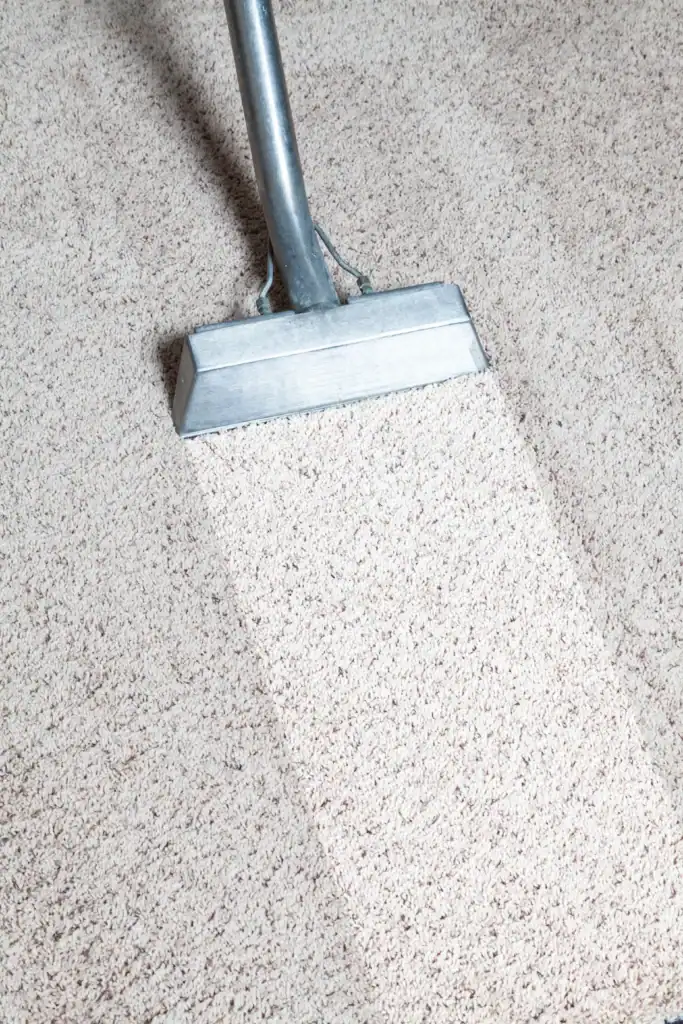
When we come out for dust mite treatment, we use hot water extraction on your upholstery. Steam cleaning upholstery gets the fabric heated well past the point mites and their waste can survive. That heat is what does the work, not just soap and suction.
Most jobs go like this:
- We check the fabric first. Velvet, microfiber, and older cotton pieces all react differently to heat and moisture, so we adjust before we start.
- We pre-treat heavy spots, arm rests, cushion seams, anywhere oils and skin flakes build up. Mites feed on that stuff.
- Steam cleaning upholstery runs next, working the heat into the fibers and pulling out what’s hiding underneath.
- We extract the moisture right away with strong suction, so the piece isn’t sitting damp for hours.
- If you want it, we can add fabric protection treatment on the cushions to help keep buildup from coming back as fast.
Old two-flats and vintage walk-ups around Chicago tend to run humid in the summer, then those big old radiators dry things out come winter. That swing is exactly the kind of environment dust mites like. So the cushions on your sofa or your favorite reading chair end up holding more than you’d think, even if the room looks clean.
We clean with Green Seal certified solutions, so you’re not left with a chemical smell in a small condo living room. Cushion cleaning gets done the same visit, since mites collect just as much in the cushion fill as they do on the surface fabric.
Treating Vintage Carpet, Upholstery, and Area Rugs
Chicago’s older buildings make dust mite treatment tricky. Bungalows, two-flats, vintage walk-ups – a lot of these homes still have their original wool carpet or an oriental rug that’s been in the family for decades. That old wool holds dust and skin flakes deep in the fiber, way past where a home vacuum reaches.
We treat that carpet different than a modern synthetic blend. Wool can shrink or fade if you hit it wrong, so we control the water temperature and the dwell time on our hot water extraction. Same care goes into an oriental rug. We don’t run it through the same process as a stain-resistant nylon carpet from a 2015 condo build. It just can’t take that.
Upholstery gets its own approach too. A velvet sofa and a microfiber loveseat don’t clean the same way, and dust mites love both. Velvet needs a gentler touch, less moisture, more patience. Microfiber can usually handle steam cleaning upholstery just fine. Either way, the goal is the same: pull the allergen load down without wrecking the fabric.
For area rugs, we offer free pick up and delivery. That matters more than people think.
A big wool rug is heavy, and most folks don’t have a truck or the patience to haul it to a shop and back. We grab it, clean it off site where we can control the whole process, and bring it back. We also offer fabric protection treatment after cleaning. That helps keep new dust and debris from settling right back into the fibers you just paid to clean.
Nine times out of ten, the oldest piece in the room is the one holding the most dust mite activity. That’s just how it goes with vintage fiber.
Questions to Ask Before You Book
Dust mite treatment sounds simple until you start calling around. Some companies spray the couch and call it done. Others pull moisture and allergens out with hot water extraction. Big difference.
Ask what method they use on upholstery. Steam and hot water extraction gets into the fibers where dust mites live, not just the surface. A quick spray-and-wipe won’t touch what’s buried in a cushion.
Ask if they quote the job before starting. We walk through the piece, look at the fabric, and give a number before any water touches it. No surprise charges after the fact.
Ask about the cleaning solution. If someone in the house has allergies or asthma, this matters. We use Green
Seal certified solutions, which cuts down on the harsh chemical smell that can linger for days in a small condo.
A few more worth asking:
- How long before the furniture is dry enough to sit on again?
- Do they clean the whole piece, cushions included, or just the visible surface?
- Can they handle the fabric type, velvet and microfiber need different care than a basic cotton blend
- Is there a fabric protection option afterward to help slow future buildup?
Fabric type changes a lot here. Velvet upholstery, microfiber, older vintage pieces common in Chicago two-flats, they all react differently to water and heat. A company that treats every couch the same way probably isn’t checking first.
One more thing. Dry time matters more in a humid Chicago summer than in January. If a company can’t tell you how long drying takes for your specific fabric, that’s worth noticing.
Frequently Asked Questions
How do I know if I have a dust mite problem instead of just seasonal allergies?
The biggest clue is waking up stuffy every morning, then feeling better once you leave the house. Sneezing when you sit on the couch or itchy eyes after vacuuming are also signs. In Chicago’s older two-flats and walk-ups, wool rugs and heavy drapes hold onto allergens that regular vacuuming can’t reach. If your allergy meds seem to work less than they used to, the fabric in your home is usually the real cause.
Are dust mites the same thing as oak mites biting me on my porch?
No, dust mites and oak mites are completely different problems. Oak mites drop from mature oak trees in late summer and cause bites on your skin within hours of being outside. This is common on Chicago’s Northwest Side, where older blocks have plenty of oak trees. Dust mites live indoors year-round in carpet and upholstery. You won’t feel a bite, just sneezing, congestion, or itchy eyes that flare up at home.
What happens when you come out for dust mite treatment?
We start by checking your fabric, since velvet, microfiber, and older cotton all react differently to heat. Next we pre-treat heavy spots like armrests and cushion seams where oils build up. Then we run hot water extraction, heating the fabric past the point mites can survive, and pull the moisture out right away with strong suction. Cushion fill gets treated the same visit, since mites collect there just as much as on the surface.
Can you clean an old wool rug or oriental rug without ruining it?
Yes, we treat wool and antique rugs completely differently than a modern synthetic carpet. Wool can shrink or fade if the water temperature or dwell time is wrong, so we control both carefully. A lot of Chicago bungalows and vintage walk-ups still have original wool carpet or a family oriental rug, and we adjust our process to protect that fiber while still pulling out the dust mite allergens buried deep inside it.
How often should I schedule dust mite treatment for my home?
Most Chicago homes do well with treatment once or twice a year, timed around the seasonal humidity swing. Summer humidity feeds the mite population, then winter heating dries things out and stirs up what’s left, which is when allergy symptoms usually spike. Homes with pets, kids, or older upholstered furniture often need it closer to twice a year to keep the allergen load down between visits.
Will my furniture be soaking wet or smell like chemicals after treatment?
No, we extract the moisture right away with strong suction, so your furniture isn’t sitting damp for hours. We also clean with Green Seal certified solutions, which means no heavy chemical smell left behind in a small condo living room. Most pieces are dry to the touch within a few hours, and you can use the room again the same day without worrying about lingering odor.