

- Home
- Allergen Removal in Chicago
Allergen Removal in Chicago: Clean Deeper Than a Vacuum Ever Can
Signs Your Chicago Home Needs Allergen Removal
Here’s what we hear a lot. Someone’s sneezing more at home than anywhere else. Their eyes get itchy on the couch but clear up at work. That’s usually not a coincidence – it’s the carpet, the rug, or the upholstery holding onto stuff that keeps stirring back into the air.
Chicago’s older housing stock makes this worse than most places. Bungalows and two-flats built before the 1960s often have wall-to-wall carpet laid right over original wood floors, sometimes layered more than once over the decades. Dust and pet dander settle deep into that padding and just sit there.
Winter makes it worse. Windows stay shut for months, forced-air and radiator heat dries out the air, and everything that would normally blow outside just recirculates through the same rooms. We see it every winter – allergy complaints spike right when the heat kicks on for good.
A few signs it’s time to book a cleaning:
- Sneezing or congestion that’s worse indoors than out, especially near carpet or a sofa
- A musty smell from an area rug that never quite airs out
- Visible pet hair working its way into carpet fibers no vacuum seems to pull out
- Family members with asthma who cough more after sitting on upholstered furniture
- Dust that reappears within a day or two of cleaning

Where Allergens Hide in Carpet, Rugs, and Upholstery
Dust mites don’t live on top of your carpet. They live down in the base, tucked under the fibers where vacuums barely reach. Pet dander works the same way. It settles deep and clings to fabric with static. Pollen tracks in on shoes and jacket sleeves, then gets ground into the pile every time someone walks across the room.
We see this constantly in Chicago’s older housing stock. Bungalows and two-flats built before the 1950s often have original hardwood under wall-to-wall carpet installed decades later, and that carpet has been trapping allergens the whole time. Vintage walk-ups with steam radiators run bone-dry heat all winter. That kicks dust and mite debris into the air every time the heat clicks on.
Upholstery holds just as much. Sofas, sectionals, recliners, dining chairs – anywhere someone sits or a pet naps becomes a collection point. Microfiber and velvet grab dander especially hard because the tight weave traps particles instead of letting them shake loose.
Area rugs are their own problem. Oriental and wool rugs have a dense weave on the back side, and allergens settle into that backing where regular vacuuming never touches it.
So what triggers a call to us? Usually it’s one of these:
- Someone in the house started sneezing more since fall, right when the heat came on
- A new pet, and now allergies flare every time someone sits on the couch
- An older rug that’s never been cleaned, maybe inherited, sitting in a sunroom or living room for years
Most of the time it’s a combination. Carpet holds it, upholstery adds to it, and dry winter air stirs it all back up.
When Vacuuming and Air Purifiers Are Enough
Not every allergy problem needs a deep clean. Let’s be honest about that.
If you vacuum twice a week with a machine that has a real HEPA filter, and you don’t have pets, and nobody in the house has a dust mite allergy that’s flaring up, you might be fine. A good air purifier running in the bedroom catches a lot of what’s floating around. Regular vacuuming pulls surface dust and pet dander out of the carpet fibers before it settles deep. For a lot of Chicago apartments with lower carpet traffic, that routine handles things.
Here’s the test we tell people to use. Notice your allergies mostly in the morning after sleeping, or right after you sit on the couch? That’s usually mattress and upholstery dust buildup, not something a whole-house treatment fixes anyway. Regular washing of bedding, a vacuum attachment on the mattress, and keeping windows shut during high pollen weeks often does the trick.
We get calls sometimes from folks who just want reassurance they’re doing it right, not because they need us out there. That’s fine by us. If wiping down blinds, washing curtains twice a season, and running the vacuum weekly keeps your symptoms under control, you don’t need to spend money on anything more.
So when does vacuuming stop being enough? Usually it’s when the carpet itself has been holding dander, dust mites, and old moisture for years, deep in the pad where a vacuum can’t reach. Or when someone in the house has a diagnosed allergy that isn’t improving no matter how often you clean. That’s a different situation, and surface cleaning just isn’t going to cut it there.
How Professional Allergen Removal Works
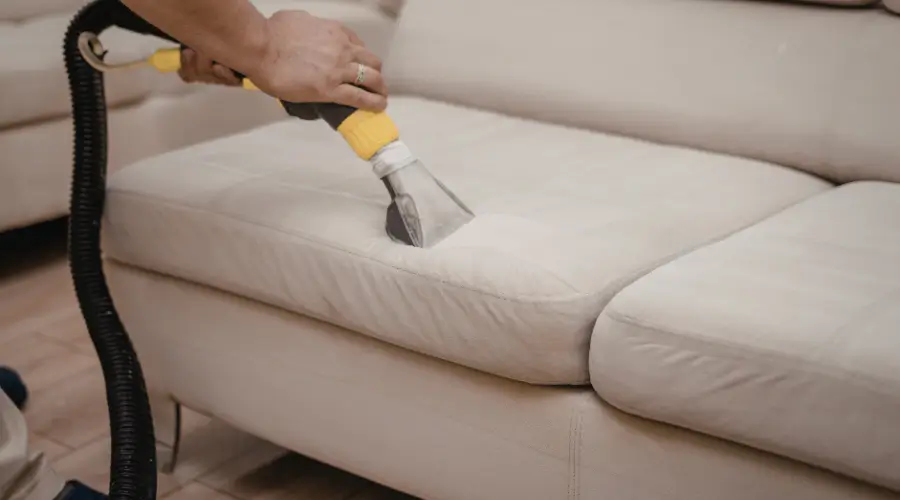
Allergen removal isn’t just running a vacuum over your couch and calling it done. Dust mites, pet dander, and pollen work their way deep into carpet fibers and upholstery padding, past where a home vacuum can reach. We use hot water extraction, which pushes hot water and cleaning solution deep into the fibers, then pulls it back out with strong suction. That’s what lifts the allergens out instead of just pushing them around.
Here’s roughly how a job goes, start to finish:
- We walk the room first and check the carpet or fabric type, so we know how much water and heat it can handle.
- We pre-treat heavy areas, pet bedding spots, couch cushions where somebody naps every day.
- We run the hot water extraction pass, working section by section.
- We do a second dry pass to pull out extra moisture, since damp carpet left too long just grows more of what you’re trying to get rid of.
- We check airflow in the room and let you know how long drying will take before furniture goes back.
We clean with Green Seal certified solutions, which matters if anyone in the house has sensitive skin or breathing issues. Strong chemical smells can trigger the same reactions you’re trying to fix.
Old Chicago two-flats and vintage walk-ups hold onto humidity longer than newer builds, especially in units without central air. That slower drying time gives dust mites more chance to come right back if the job’s rushed. We factor that into how much water we use and how we time the extraction.
The worst spot in the house is usually the same one nobody thinks to check. That recliner by the window. That’s the one holding the most dust and dander, quietly, for years.
What Drives Allergen Removal Cost
Every allergen removal job is different, so the cost depends on what’s in your home. We look at a few things before we ever quote a job.
Size matters first. A single sofa with dust mite buildup takes less time than a sectional plus two chairs plus a mattress. More surface area means more steam passes, more drying time, more product.
Fabric type changes things too. Velvet upholstery cleaning and microfiber upholstery cleaning need different tools and slower passes than a basic cotton blend. Some fabrics can’t take hot water at all, so we switch to dry upholstery cleaning instead. That decision alone changes labor time.
Then there’s the contamination level. A recliner that’s had a cat sleeping on it for six years is not the same job as a dining chair used twice a month. Pet hair removal and pet stain removal both add steps, sometimes a pre-treatment before we even get to the deep clean.
Fabric protection treatment is optional but it’s worth asking about, especially with kids or pets in the house. It’s an add-on, not a base cost.
Here’s what we tell people to ask any company before booking:
- Do they charge by piece or by room
- Is fabric protection treatment included or separate
- Do they use steam, dry cleaning, or both depending on the material
- Will they tell you the price before they start, not after
Frequently Asked Questions
How long does professional allergen removal take to finish a room?
Most rooms take about an hour to treat with hot water extraction, plus drying time afterward. We walk the space first to check the carpet or fabric type, then pre-treat heavy spots like pet bedding or couch cushions before the main pass. A second dry pass pulls out extra moisture so damp carpet doesn’t grow more allergens while it dries. In older Chicago two-flats without central air, drying can take a bit longer because the units hold humidity longer than newer builds.
What should I expect when someone arrives to treat allergens in my home?
You can expect us to check your carpet, rug, or upholstery type before we start any treatment. We look at how much water and heat the fabric can handle, then focus on the areas that need it most, like pet napping spots or a rug that’s never been cleaned. We use Green Seal certified solutions, so strong chemical smells won’t trigger reactions in anyone with sensitive skin or breathing issues. You’ll also get a clear idea of drying time before furniture goes back in place.
Why do allergy symptoms get worse in Chicago homes during winter?
Winter makes indoor allergens worse because windows stay shut for months and forced-air or radiator heat dries out the air. Everything that would normally blow outside just recirculates through the same rooms instead. We see allergy complaints spike every year right when the heat kicks on for good. Vintage Chicago walk-ups with steam radiators run especially dry heat, which stirs up dust and mite debris trapped in carpet and upholstery all season long.
Is vacuuming enough, or do I need a deeper allergen treatment?
Vacuuming twice a week with a real HEPA filter is often enough if you don’t have pets and nobody’s allergies are flaring up. It pulls surface dust and pet dander out before it settles deep into fibers. Deeper treatment matters more once carpet padding has been holding dust mites and old moisture for years, past where a vacuum can reach. If someone in the house has a diagnosed allergy that isn’t improving with regular cleaning, that’s usually the sign a deeper treatment is needed.
Why does allergen buildup happen so much in Chicago's older carpeted homes?
Chicago’s older bungalows and two-flats often have wall-to-wall carpet installed right over original hardwood, sometimes layered more than once over the decades. Dust, pet dander, and old moisture settle deep into that padding and just sit there, past where household vacuuming can reach. Area rugs add to the problem too, since dense-weave Oriental and wool rugs trap allergens in the backing where regular vacuuming never touches. This buildup is a big reason older Chicago homes see more allergy complaints than newer builds.