

- Home
- Dining Chair Cleaning in Chicago
Dining Chair Cleaning in Chicago: Fresh Seats for Chairs You Use Every Day
Signs Your Dining Chairs Need Professional Cleaning
Most folks don’t think about their dining chairs until someone points at a stain. But there are signs before that, if you know where to look.
Run your hand across the seat cushion. Does it feel gritty even after you wiped it down? That’s ground-in soil sitting deep in the fabric, not on top of it. A damp cloth just moves it around. We see this every week on fabric dining chairs near kitchens. Grease and food oils settle into the weave and regular wiping can’t touch it.
Smell is another one. If a chair smells a little sour or musty when you sit close, that’s usually spilled liquid that dried inside the cushion instead of on the surface. Most of the time it’s a spilled drink or sauce that got a quick wipe but never got cleaned from the inside out.
- Dark rings or shadows on the seat where spills dried without lifting
- Fabric that looks dull or gray compared to the chair back or legs
- Sticky arms or edges near where kids or guests grip the chair
- A musty smell that shows up more on humid Chicago summer days
- Visible pet hair or dander worked into the seams
Older upholstered dining chairs, the kind you find in a lot of Chicago bungalows and two-flats passed down through the family, tend to hide soil in the piping and button tufting. That stitching traps stuff a rag never reaches.

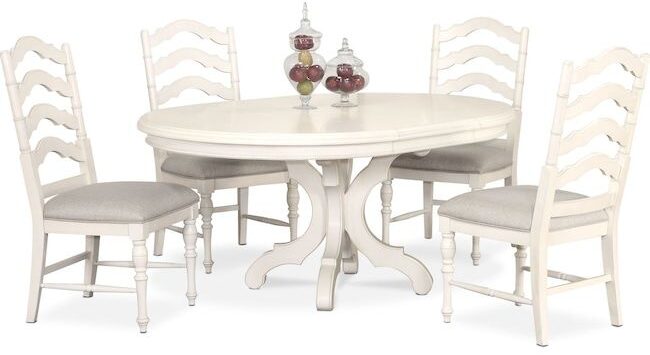
Wood-Frame Seats vs. Fully Upholstered Chairs: Do You Need This Service
Not every dining chair needs a cleaning crew. Let’s be honest about that first.
If your chairs have a solid wood seat with maybe a thin foam pad stapled underneath, a little dish soap and water on a cloth usually does the trick. Wipe it, let it air dry, done. We get calls about these sometimes and we’ll tell you straight: save your money.
The chairs that need our attention are the fully upholstered ones. Fabric or leather stretched over the whole seat, sometimes running up the back too. These trap spills deep in the padding where a wipe-down can’t reach. In a lot of Chicago condos and two-flats, we see dining sets with padded backs bought as a set. Once wine or grease soaks past the fabric into the foam, surface cleaning does nothing.
Here’s a quick way to check yours:
- Press the seat. If it’s hard wood under a thin layer, you likely just need soap and water.
- Press again. If it sinks and feels like real cushioning, that’s upholstery, and stains sit deep.
- Check the back panel too. Some dining chairs have padded backs that never get touched, and dust and body oil build up there for years.
- Look for piping or seams. Stitched fabric edges hold grime that plain wood never will.
We clean chair cushions, sofa cushions, all kinds of upholstery around the city. Dining chairs are usually the last thing people think to have cleaned, right after the sofa and the mattress. But they take the same abuse as anything else in the house: kids, pets, red sauce, red wine. Sometimes more.
So before you book anything, take thirty seconds and press on that seat. It’ll tell you exactly what kind of chair you’re dealing with.
Cleaning Secondhand Dining Chairs from Chicago Alleys
Chicago alleys are their own thing. Almost every block on the North Side has one, and come spring you’ll see dining chairs sitting out with a “free” sign taped to the seat. We get calls about these all the time.
Here’s the honest answer: some of these chairs are worth cleaning up, and some aren’t. A solid wood frame with a stained or musty fabric seat is usually a good candidate. But if the wood is cracked, the joints wobble, or you smell mildew deep in the padding, that’s a different problem. Cleaning won’t fix structural damage. We check the frame first, every time.
Bedbugs are the real worry with alley finds, and we won’t sugarcoat that. Chicago’s had its share of bedbug issues over the years, especially in older two-flats and courtyard buildings where furniture gets passed between units before it hits the curb. If a chair’s been sitting outside for a day or two in decent weather, that’s a good sign. Bugs don’t love open air. Still, we look closely at seams and welting before we bring anything into your dining room.
Unknown stains are the other issue. Alley chairs come with a history you don’t know. Wine, pet accidents, mystery liquids, we’ve seen it all.
What Happens During a Dining Chair Cleaning Visit
Here’s what happens when we show up for dining chair cleaning. No mystery, no sales pitch once we’re in your kitchen. We look at the chairs, tell you what we see, and get to work.
First thing we do is check the fabric or leather. Woven seats, vinyl, velvet, they all react differently to cleaning solutions. A padded seat that’s been under a toddler for two years needs a different approach than a formal dining set that just gets dusty. We test a hidden spot first, usually underneath the seat cushion, to make sure the color holds.
Then we vacuum every chair before any liquid touches it.
Crumbs, pet hair, dust, it all has to come out first or you’re just pushing dirt around. Skip this step and the cleaning looks worse, not better.
From there:
- We pre-treat any visible stains, spaghetti sauce, wine rings, kid marks around the edges of the seat
- We clean the fabric using hot water extraction for most cotton and polyester blends, a lower-moisture approach for anything delicate
- We work the frame and legs too if they’ve got buildup, since grease from the kitchen tends to settle there
- We check the seams and piping, where grime likes to hide
Chairs near a kitchen table take a beating you don’t always notice until you really look. Grease from the stove settles on fabric over months, not days. By the time someone calls us, it’s usually been building up a while.
Drying time depends on the fabric and how humid your place is that day. Chicago summers slow things down more than winter heat does. We use fans to speed it along whenever we can. Most seats are dry enough to sit on again within a few hours.
How Dining Chair Cleaning Is Priced
Most companies in this trade price dining chairs by the seat, not by the whole set. That’s because a chair with just a padded seat takes a few minutes, a chair with a padded back and seat takes longer. We quote the job before we start, so you know what you’re paying before we touch a single chair. Every job has a $180 service minimum.
A few things push the price up or down. Fabric type matters a lot. Velvet and silk blends need slower, gentler work than a basic cotton weave. Chairs with removable cushions cost less to clean than chairs where the padding is stapled straight to the frame. And if a chair has heavy pet hair or old food stains worked into the fibers, that’s extra time on our end.
Set size plays into it too. Six matching chairs around one table is a different job than eight chairs from three different sets, each with its own fabric and wear pattern. Some homes have that mismatched look from buying replacement chairs over the years. We see it all the time in older Chicago two-flats where the dining set got pieced together room by room.
Fabric protection is worth asking about upfront if you’ve got kids or host often. It’s an add-on, not something baked into every job, so ask before you book if you want it.
Before you hire anyone, ask how they price, per chair or per hour. Ask if fabric protection costs extra. Ask what happens if a stain doesn’t fully lift. A company that can’t answer those clearly before showing up probably isn’t going to surprise you in a good way once they’re standing in your dining room.
Frequently Asked Questions
What should I expect when you arrive to clean my dining chairs?
You can expect us to check the fabric first, then get to work with no sales pitch. We test a hidden spot under the seat to make sure colors hold. Next we vacuum every chair to pull out crumbs, dust, and pet hair before any liquid touches the fabric. Then we pre-treat stains like wine rings or sauce marks and clean with the right method for your fabric. We also wipe down frames and legs where kitchen grease tends to build up over time.
Do my wood dining chairs need professional cleaning too?
Not usually, if they have a solid wood seat with just a thin foam pad. A little dish soap and water on a cloth handles those chairs fine. Press on the seat to check. If it feels hard under a thin layer, you likely don’t need us. Fully upholstered chairs are the ones that need real cleaning, since spills soak past the fabric into the padding where a simple wipe can’t reach.
Is it safe to clean secondhand dining chairs I found in a Chicago alley?
Sometimes, but not always, so check the frame first. A solid wood frame with a stained fabric seat is usually worth cleaning. Cracked wood, wobbly joints, or a musty smell deep in the padding are a different problem cleaning won’t fix. Bedbugs are the real concern with alley finds, especially from older two-flats and courtyard buildings where furniture moves between units. We look closely at seams and welting before bringing anything into your home.
How long does it take for cleaned dining chairs to dry?
Most chairs are ready to sit on again within a few hours, but this depends on fabric and humidity. Chicago summers slow drying down more than winter heat does, since the air already carries so much moisture. We use fans on site to speed things along whenever we can. Leather and vinyl seats dry faster than thick woven fabric, so your specific chair style affects the timeline too.
How can I tell if my dining chairs really need a deep cleaning?
Run your hand across the seat. If it feels gritty even after wiping, that soil is sitting deep in the fabric, not on top. Other signs include dark rings from dried spills, dull or gray fabric compared to the chair back, and a musty smell that gets worse on humid days. Piping and button tufting on older upholstered chairs also trap grime a rag can never reach.